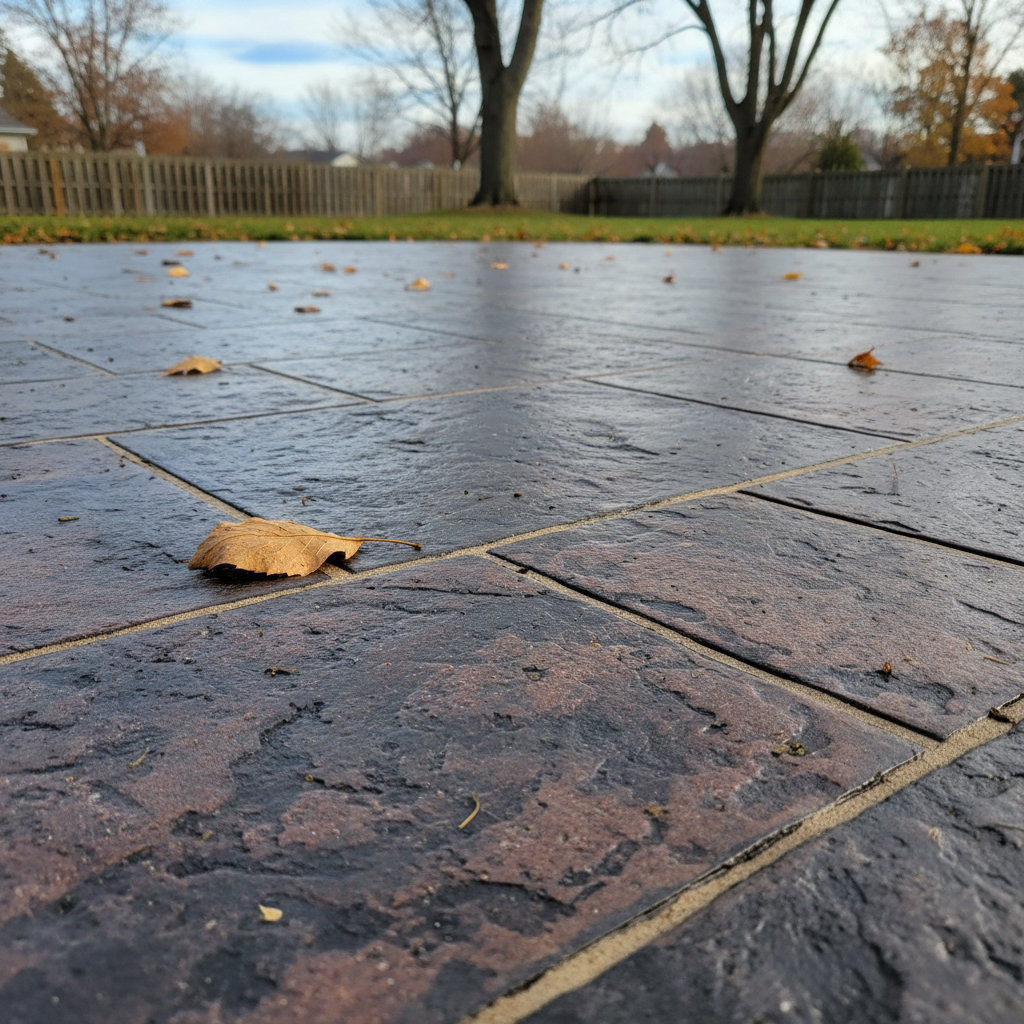
Thinking Decorative Concrete? Here's the Deal.
So, you're thinking about decorative concrete for your place. Maybe you've seen some really cool patios or walkways and thought, "Hey, I could totally do that!" Or perhaps you're just sick of plain gray concrete and want something with a bit more flair. Good for you. Decorative concrete can seriously change how your home looks, and it adds value too. But before you dive in, let's chat about what a homeowner can realistically tackle themselves and when you absolutely need to call in a pro.
Before You Start: Planning & Prep
This is where a lot of people mess up, honestly. You can't just slap some color on old concrete and expect miracles. The foundation, quite literally, has to be solid.
- Existing Concrete Condition: Is your current slab cracked, flaking, or lopsided? If it's got big structural problems, a decorative finish won't fix it. You're looking at tearing it out and pouring new, or at least a major repair. That's usually a job for the experts.
- New Pour Prep: If you're pouring fresh concrete, the prep work is super important. Getting the grading right, compacting the sub-base, and setting forms correctly aren't things you can skip. We've seen plenty of DIY projects around Schaumburg where the ground wasn't prepped properly, and a year later, the new patio is already sinking or cracking. What a waste of time and money.
- Design & Finish Choice: Are you leaning towards staining, stamping, exposed aggregate, or something else? Each one has its own challenges. Stamping, for instance, needs a very specific concrete mix, perfect timing, and real skill to get a good impression. You usually get one shot at it, you know?
For most homeowners, cleaning, fixing small cracks, and maybe putting on a basic sealer are about as far as you should go DIY for existing concrete. If you're talking about a new pour, even a small one, and you want a decorative finish, I'd really suggest getting a pro involved from the start. The cost to fix a bad pour is way more than what you'd save initially.
During the Project: What You Can Tackle (and What You Can't)
Alright, let's say you've got a sturdy, existing concrete slab that's in pretty good shape. What can you actually do yourself?
- Cleaning and Sealing: This is probably the most common DIY decorative concrete task. Pressure washing your concrete to get rid of dirt, grime, and mildew is pretty straightforward. Once it's clean and dry, putting on a good quality sealer can make it look better, protect it, and even give it a slight shine. Just make sure you use the right kind of sealer for your concrete and follow the directions carefully. Don't put too much on, or you'll end up with a cloudy mess.
- Acid Staining (Small Areas): If you're feeling adventurous, acid staining a small, low-stakes area like a utility room floor or a tiny patio can be a DIY project. You'll need to clean the surface really well, put the stain on evenly, neutralize it, and then seal it. It's a multi-step process, and getting it to look consistent takes practice. For bigger, more visible areas, or if you want complicated patterns, leave this to the pros. They have the right tools and know-how to get a uniform finish without blotches or streaks.
- Water-Based Stains & Dyes: These are a bit more forgiving than acid stains and can be a good DIY choice for a color refresh. They don't react with the concrete like acid stains do, so the color is more predictable. Again, prep is key, and getting an even coat is crucial.
Now, what should you absolutely NOT try to DIY?
- Stamped Concrete: I really can't say this enough. Stamping concrete is both an art and a science. It needs precise timing, special tools, and a crew that knows exactly what they're doing. Concrete sets fast, especially during our hot Schaumburg summers, and if you don't get those stamps down correctly and quickly, you're stuck with a bad pattern or no pattern at all. Don't waste your money renting stamps; hire a professional.
- Epoxy Coatings (Garage Floors): While some DIY kits exist, getting a truly tough, even, and long-lasting epoxy garage floor coating is hard. Proper surface preparation, including grinding the concrete, is critical for it to stick. If it's not done right, you'll see peeling and flaking pretty quickly. A professional will have the right equipment and experience to make sure it lasts.
- Overlays & Microtoppings (Complex): Simple, thin microtoppings for a uniform color might be DIY-able for a very small spot, but anything with texture, patterns, or significant thickness is best left to Absolute Concrete Co or another experienced contractor. These materials need specific mixing, application techniques, and curing to stop cracking and ensure they hold up.
After the Project: Maintenance Matters
Whether you DIY'd a small stain job or had us pour a beautiful stamped patio, maintenance is super important for keeping your decorative concrete looking good. This is where you, the homeowner, really shine.
- Regular Cleaning: Sweep off debris regularly. Power wash annually or twice a year, depending on how much traffic it gets and what it's exposed to. For outdoor areas, especially with all the trees we have in neighborhoods like Olde Schaumburg, leaves and organic matter can stain if left too long.
- Re-sealing: Most decorative concrete, especially outdoor surfaces, needs to be re-sealed every 1-3 years. This protects the color, stops moisture from getting in, and helps resist stains. Pay attention to the manufacturer's recommendations for your specific sealer. This is definitely a DIY task you can handle. Just make sure the surface is clean and dry before you apply it.
- Addressing Minor Issues: Small chips or minor cracks can sometimes be fixed with color-matched patching compounds. Catching these early can keep them from becoming bigger problems.
Decorative concrete is an investment, and like any investment, it needs care. Don't let your beautiful new surface go to waste by neglecting it. If you're ever unsure about a repair or a maintenance step, just give us a call. We're happy to give you honest advice, even if it's just a quick question.