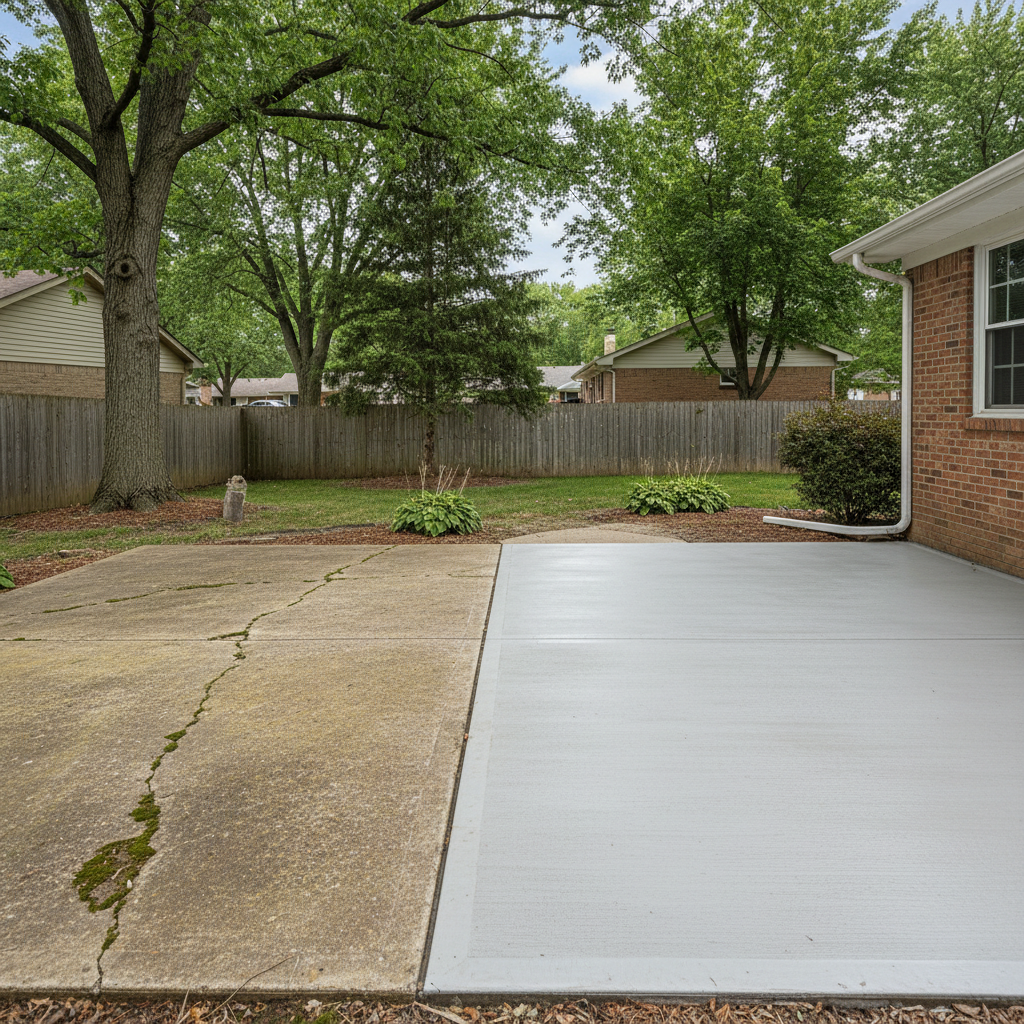
Alright, let's talk about driveways, patios, and walkways. If you're looking to put in something new or replace an old, cracked mess, you've got a couple of main routes to consider: classic poured concrete or interlocking concrete pavers. I get asked about this all the time, and there's no single 'best' answer for everyone. It really depends on what you're after, what your budget looks like, and how much you care about the long haul.
Poured Concrete: The Tried and True
When most people think 'concrete,' they're thinking about poured concrete. It's what we've been doing for decades, and for good reason. It's strong, it's durable, and it's generally the most cost-effective option upfront.
- Cost: This is usually where poured concrete wins. It's typically cheaper per square foot to install than pavers. Less labor involved in the laying process, even with proper sub-base prep.
- Durability: A well-installed concrete slab, with the right thickness, proper rebar or mesh, and control joints, can last a very long time. We're talking 20-30 years easily, sometimes more. It handles the freeze-thaw cycles we get here in Schaumburg pretty well, especially if it's sealed.
- Maintenance: Pretty low. You'll want to seal it every few years to protect it from moisture and stains. If you get a crack, it's usually a repair job, which can sometimes be noticeable. Big cracks might mean breaking out a section and repouring.
- Appearance: It's got that classic, clean look. You can get it broom-finished for traction, or smooth. There are color additives and stamping options if you want to jazz it up, but that starts pushing the cost closer to pavers.
Interlocking Concrete Pavers: The Flexible Choice
Pavers are basically individual concrete blocks that fit together like a puzzle. They've gotten super popular over the last couple of decades because they offer a different look and some unique benefits.
- Cost: Generally higher upfront than poured concrete. The material itself costs more, and the installation is more labor-intensive because each paver has to be laid by hand.
- Durability: This is where pavers really shine in some ways. Because they're individual units, they have a lot of flexibility. They can shift and move a tiny bit with ground movement or freeze-thaw cycles without cracking. If one paver gets damaged – say, a heavy truck drops something on it – you can usually just pop that one out and replace it. That's a huge advantage over a cracked concrete slab.
- Maintenance: Similar to concrete, you'll want to sweep them regularly and maybe seal them. Weeds can sometimes sprout between the joints if you don't use polymeric sand, which is a common issue. If you get a stain, you can often clean or replace the individual paver.
- Appearance: This is where pavers really win for a lot of folks. You've got a massive range of colors, shapes, and patterns. You can create really intricate designs, borders, and curves that are tough or impossible to do with poured concrete. They give a more custom, upscale look to a property.
What I Recommend for Schaumburg Homes
Honestly, both are solid choices when installed correctly. But living here in Schaumburg, with our clay-heavy soils and those brutal winters where the ground freezes and thaws over and over, I lean a bit towards pavers for certain applications, especially patios and walkways.
Why? That flexibility. Poured concrete, even with proper control joints, can still crack from ground movement or severe freeze-thaw cycles. We've all seen those spiderweb cracks on driveways around here. With pavers, that movement is absorbed by the joints between the blocks, making them less prone to visible cracking. If a section of your driveway or patio settles a bit because of a drainage issue or a utility trench, you can usually lift the pavers, re-level the base, and put them back. Try doing that with a poured slab!
For a standard driveway where budget is the absolute top priority, poured concrete is still a fantastic, durable option. Just make sure your contractor is using good aggregate, the right mix, and knows how to properly prepare the sub-base and place those control joints. That's key for longevity.
For patios, walkways, or if you want a really custom, high-end look for your driveway and don't mind the extra upfront cost, pavers are often the way to go. The aesthetic appeal and the ease of repair can make them a better long-term investment for many homeowners.
No matter which way you go, the prep work is critical. A bad base means a bad surface, whether it's concrete or pavers. We at Absolute Concrete Co. make sure that foundation is rock solid, because that's what truly makes your investment last.