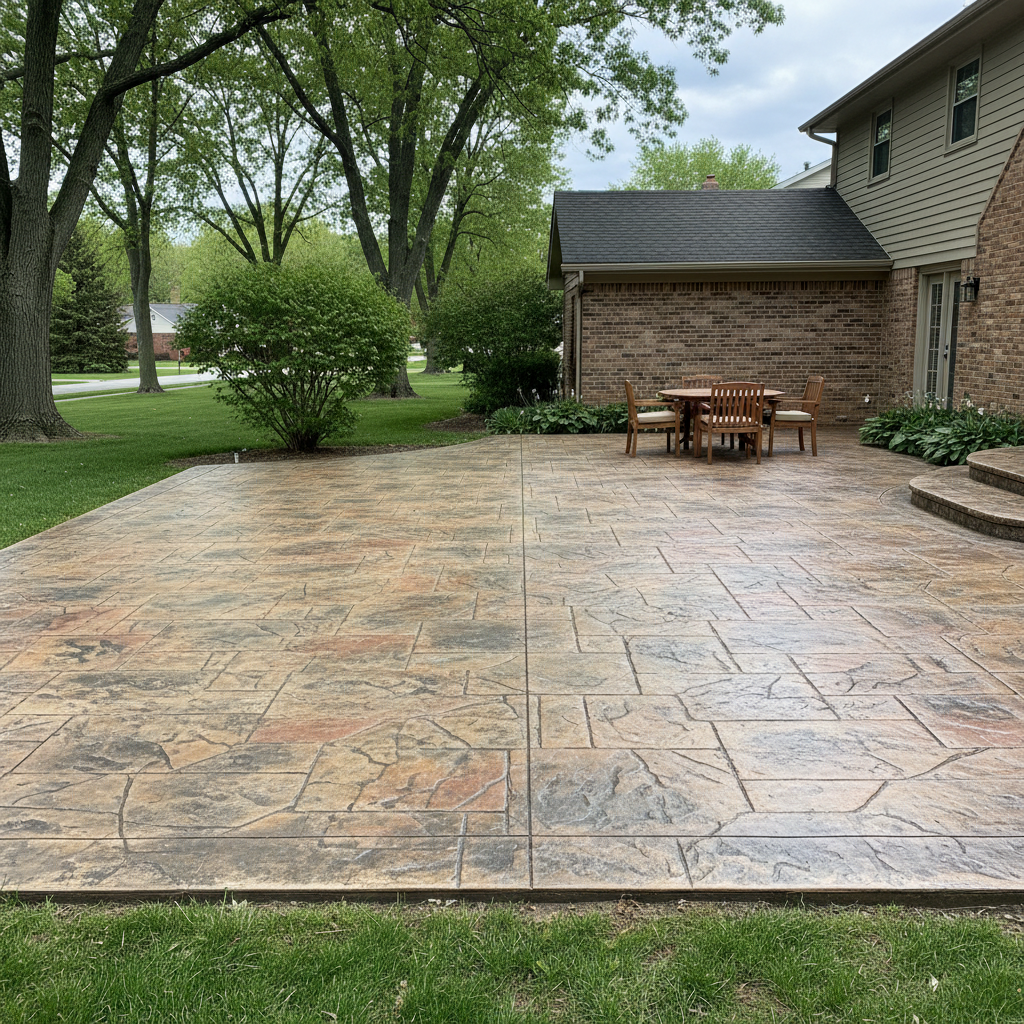
So, you've got a fantastic stamped concrete patio, driveway, or walkway. Smart move! It really adds a ton of curb appeal and value to your place. But, just like most things, it's not something you can just 'set it and forget it.' Especially here in Schaumburg, with our wild Illinois weather, you've got to give it a little attention if you want it to last and keep looking sharp. I've seen too many folks neglect their stamped concrete, and then they're calling me for repairs that could have been totally avoided. Let's chat about how to make your investment last longer.
Your Regular Maintenance Checklist
Keeping your stamped concrete in great shape isn't rocket science, but it does need you to be a bit consistent. Think of it like washing your car; a little effort really goes a long way.
- Clean it Regularly: This is a big one. Dirt, leaves, pollen, spilled drinks – they all just sit there on the surface and can wear down the sealer over time. I tell my clients to clean their stamped concrete at least twice a year. Usually, that's in the spring after all the winter mess, and then again in the fall before the leaves really start piling up. Grab a garden hose with a spray nozzle and some mild detergent. Nothing too harsh, okay? A stiff brush can help with those really stubborn spots. For oil or grease, a concrete-specific degreaser is your best bet, but always test it in a hidden spot first.
- Re-seal Every Few Years: This is probably the most important thing you can do for longevity, especially with our freeze-thaw cycles around here. The sealer protects your concrete from moisture, UV rays, and general wear and tear. If you skip re-sealing, your concrete will start to look dull, lose its color, and become much more prone to damage. How often should you do it? Well, it depends on how much traffic it gets and how much sun it sees, but generally every 2-3 years is a good guideline for residential patios. Driveways might need it a bit more often, maybe every 1-2 years, because they really take a beating from vehicles and de-icing salts. You'll know it's time when water stops beading up on the surface.
- Watch for Weeds: Even with a super solid base, weeds can somehow find a way to sprout in tiny cracks or expansion joints. Pull them out right away. If you let them grow, their roots can actually widen those small openings and cause bigger problems down the line.
- Be Careful with De-icers: This is a huge one for us in Schaumburg. Rock salt (sodium chloride) is brutal on concrete, especially sealed concrete. It can eat away at the sealer and even the concrete itself. If you absolutely have to use a de-icer, look for products that are concrete-safe, like calcium chloride or magnesium chloride. Better yet, just shovel promptly and use sand for traction.
Warning Signs You Shouldn't Ignore
Your stamped concrete will usually give you some hints when something's not quite right. Keep an eye out for these:
- Fading Color: If your once-vibrant patio starts looking dull and washed out, that's a clear sign your sealer is failing. The UV rays are getting right to the color.
- Surface Flaking or Spalling: This looks like small bits of concrete are popping off the surface. It often happens when moisture gets into the concrete, freezes, expands, and then thaws. It's a pretty good indicator that water is getting in, likely because the sealer is compromised or your drainage isn't great.
- Cracks: Hairline cracks are pretty normal over time, especially with our soil conditions here in the Chicagoland area, which can shift with moisture. But if cracks are getting wider, spiderwebbing, or if you see significant settlement, that's a bigger issue.
- Pitting: Small holes or craters on the surface can be from aggregate popping out. This often points to poor quality concrete or exposure to harsh chemicals.
- Slippery Surface: If your sealed concrete becomes unusually slippery when wet, it might be due to an improper sealer application or just a build-up of grime. Sometimes, an anti-slip additive can be mixed into the sealer, which is pretty neat.
When to Call Absolute Concrete Co.
Look, you can handle most of the regular cleaning and even some re-sealing yourself if you're the handy type. But there are definitely times when you really need a professional. Don't try to DIY major repairs; you could make things worse and end up costing yourself more in the long run. Give us a call at Absolute Concrete Co. if you see:
- Significant Cracking or Settlement: If your concrete is cracking badly, sinking, or heaving, we need to assess the underlying cause. It could be a drainage problem, soil issues, or even a foundation concern.
- Extensive Spalling or Pitting: If large areas of your concrete are flaking or pitting, it's beyond a simple re-seal. We might need to look at resurfacing or patching.
- Failed Sealer That's Hazy or Peeling: Sometimes, if the wrong sealer was used, or it was applied incorrectly, it can turn white, hazy, or start peeling. Stripping and re-sealing it correctly is a job for someone with the right equipment and experience.
- You're Just Not Sure: If you're seeing something weird and you're not sure if it's a problem or how to fix it, just call. I'd rather you ask a question than let a small issue turn into a big, expensive one.
Your stamped concrete is an investment. A little attention and knowing when to call in the cavalry will keep it looking fantastic for decades.